Table of Content
Framing a conventional roof begins with setting the ridge beam and rafters. Carpenters cover the rafters with plywood or OSB sheathing and tarpaper. Roofers then apply the final roof covering — shingles, metal, wood shakes or tile. Later, insulation will fill the spaces between the rafters. In cathedral-ceiling areas, coverings are secured to the rafter bottoms. Insulation is added above ceiling joists after the ceiling coverings are installed.
Some log home companies offer an insulated-log alternative. These log homes use half-logs applied over conventional framing. While they look like a solid log home from either inside or out , the core of the wall is similar to a conventionally framed house. In insulated-log homes, builders may wait to apply the half logs until the roof is on. Actual log work varies with the type of system being used.
Alternative Building Methods…
Pre-cut logs need to be sorted and stacked on the job site so you can find them when you need them. Once found, however, they drop right into place with no cutting required. For aesthetic purposes, one or two courses of log siding can be used to cover the rim joists down to the foundation level. Another older method of log cabin building is the chink method. This method also uses full logs stacked on top of one another, but in this case, the logs are not joined or fitted together.

To reduce possible conflicts between pipe and duct placement, good builders usually make sure the HVAC contractor and plumber know each other’s needs before rough-in begins. While the plumber is busy, the HVAC subcontractor may be measuring for ducts. Ductwork is often fabricated at the subcontractor’s workshop and then carried to the job site for installation as soon as the plumber finishes roughing in pipe work. Sometimes the heating and cooling units are installed now.
What if I don't have logs growing on my property, and I can't find any nearby?
Part of the appeal of log home living is that no two log homes are alike. Beyond design, several structural components of log homes can be constructed in a variety of shapes, sizes and styles. Even the species of wood used in a log home can vary; dozens of wood species are used in homes throughout the country. Let this introduction to the many log home styles be a guide as you begin to develop a log home unique to you – your dream home. An approved framing inspection lets the builder start “closing-in” the framing with the final wall coverings. On log homes, these are usually drywall or tongue-and-groove pine or cedar boards.
This type of home is usually also lower in maintenance than a full scribe or chink style home as well, because there’s less shrinking and settling over the first few years. Timber frame log homes are built in much the same way that a post and beam home is built. The difference is that instead of using rounded logs for the frame, the logs are squared off. There are no settling issues, and the home is typically easier to build. It’s possible to use half logs to create the look of a log cabin or to use another type of siding, such as shiplap or horizontal Dutch lap siding instead.
Foundation
In the future you will need to maintain your log cabin by being proactive and performing bi-annual checks using this checklist. Caulking is the sealant for your logs to prevent air and moisture infiltration. Ensure the notch is the same width as your floor joist so you can create snug friction fit with the floor joist. Once your foundation has been laid, and you have selected your notch type, the first round of logs will need to be laid. A log cabin foundation must carry the weight and load of a log cabin. Contrary to popular belief; choosing a foundation for your log cabin is not as simple as picking a shed foundation.
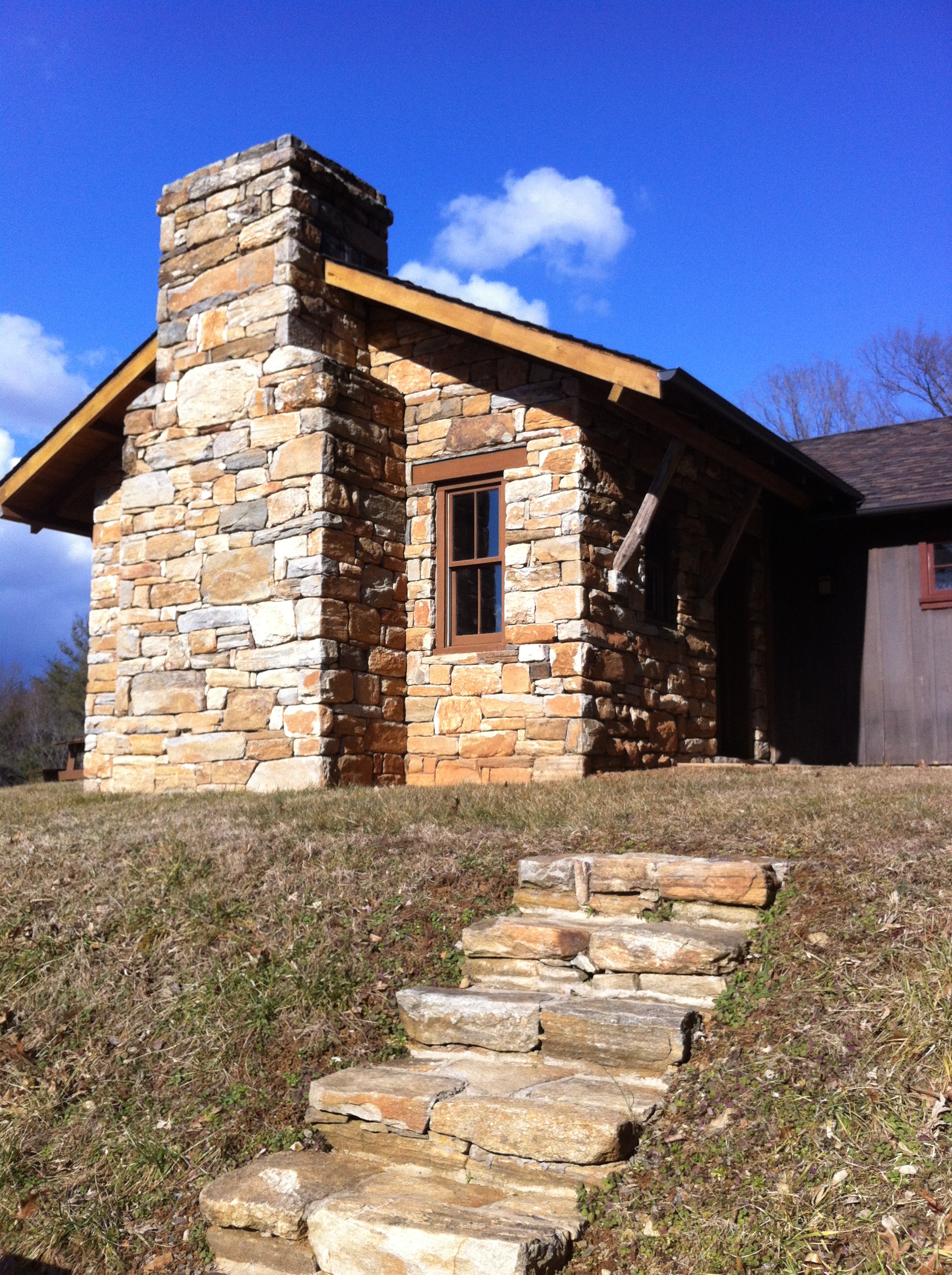
Using your selected notch technique, keep stacking your logs and erecting all four walls. First, you’ll need to choose whether you will build with round or square logs, and then you can determine the style of construction (i.e. notch) you will use for your log cabin. This is because they use different construction techniques for instance milled logs or handcrafted logs, different methods to join the corners (i.e. notches) and caulking or fully scribed logs. Another benefit to our method of log home construction is time. We are not at the mercy of weather delays or onsite hazards.
Planning and building under German construction regulations
Log home foundations vary as much as the homes themselves. The most popular foundations are poured concrete and masonry block, although some home builders recommend pre-cast concrete panels and insulated concrete forms as alternatives. In those cases where the electric service box needs to be installed on an exterior wall, a wiring chase is constructed and covered with paneling to match the logs. Single electrical outlets are easily concealed by recessing them in a solid wood wall. Many feel that log homes are particularly well-suited for wood shake or shingle roofing.
I found someone two hours from us that built a container home and they were a big help. They actually had a contractor do everything for them and they gave me his name in addition to the name of the architect and the drawing service. Thankfully, the materials used to build those homes are very affordable or even free. Just as a note, if you are interested in building an earthen home, try to look for a natural building school in your area. They are becoming more popular these days and they are always looking for land to build something on during their workshops. Not only you can get hands-on experience, but you can also offer your project to the school and see if they can send a few free employees your way.
Individual logsmiths create distinctive touches--wood trusses, doors, etc.--that identify their work. Saddle-notchcorners are created in round logs when the upper log is notched round to fit over the intersecting log. Both logs then continue past the point of the intersection. Some positive action must be taken in a log building to seal the horizontal surfaces where the logs meet. Several methods of sealing these joints are commonly used. Nailsare primarily used in sill and post construction systems to attach the horizontal logs to the vertical posts.

This roof style is preferred for its ease of construction and ability to withstand high window or snow load testing. Ensure you use lintel logs above each opening to maintain your log cabin’s structural integrity. Lift the logs over the foundations’ rebar and slide the log down through the rebar . You will want to hew, or half-log, the sleeper (i.e.) sill logs. You can do this using a chainsaw or adze depending upon your preference.
Since we know that the army is using earthbag to create protective barriers, you can be sure your house is bullet-proof in case your neighbor loses it. Like cob and adobe, rammed earth homes are fireproof and termite proof. They last for hundreds of years, the walls are thick and very strong. The result is a relatively thin wall that is extremely airtight and has very high r-value. It’s said that you may save time, money and labor when building with SIPs. If you have ever built your own log cabin, or would like to share some advice and ask any questions you have, then do so in the comments section below.

Laying the First Course.Getting started correctly is very important in log home construction. Therefore, the first course of logs must be absolutely square, level and sealed weathertight to the foundation before you proceed. One method that ensures the walls are square is to measure diagonally across the subfloor in both directions. If both measurements are the same, the home's footprint is square. Log homes and log cabins definitely have a unique style and charm.
Some builders attach partition framing to logs using “slip” connections — nails or screws driven into the logs through slots in the framing. The slots prevent fasteners from interfering with log settlement. It’s wise to have a staging area where materials will go when removed from the trucks. Generally, logs and materials used earlier in construction should be placed closer to the foundation, preferably on the high side of sloping sites. Lugging logs and lumber uphill not only aggravates workers, but also takes valuable time away from construction.
For insurance, a contractor can secure the liability insurance , or the all risks insurance for works in progress, which includes coverage for damage and theft. The advance building insurance (Gebäudeversicherung) also covers natural disasters. Besides the regional policies, the federal states also enact several measures directed at reducing housing costs and the lack of housing. The Housing Construction Campaign was introduced by the BMUB as an inclusive standard package directed at solving housing shortages and the rise of house and property prices. Since 2006, the Länder has been completely responsible for implementing social housing programs and has lead different local activities that impact the construction sector .


No comments:
Post a Comment